How to Use ChatGPT for Keyword Research as a Therapist

In this post you will get to know how to do keyword research for therapists using ChatGPT.
What is ChatGPT?
ChatGPT is an AI- assistant developed by OpenAI. It uses advanced language models to engage in human-like conversations.
ChatGPT can assist users with tasks such as answering questions, writing content, debugging code, brainstorming ideas, and providing explanations on complex subjects.
It can help you find clear explanations for topics, structured ideas, practical strategies, or help with well written content that sounds human.
ChatGPT is not a search engine technically but it is a chatbot which can analyze, organize, and present ideas in ways that match your specific needs. It understands context, responds to follow-up questions, and adapts its answers based on your requirements.
Prompts are given to ChatGPT to get desired information and output.
Can ChatGPT be used to do keyword research?
As I mentioned above ChatGPT is an AI-Assistant whose work is to research and analyze topics. It That being sad, Yes, ChatGPT can be used for keyword research, but not in the way as other keyword research tool works.
ChatGPT excels at brainstorming keyword ideas, understanding search intent (local/informational/commercial), organizing keywords into logical groups, and identifying content gaps.
However, it cannot provide you with actual search volume data, keyword difficulty scores, or real-time trending information. For those metrics, you still need tools like Google Keyword Planner, SEMrush, Ahrefs, AnswerThePublic, or Ubersuggest.
The real power of ChatGPT lies in combining it with traditional keyword tools. Use ChatGPT to generate comprehensive keyword lists and organize your strategy, then validate those keywords with data-driven tools to see which ones are worth targeting.
How to do therapy website keyword research using ChatGPT?
Now after a rough understanding about ChatGPT and its usefulness for keyword research , let me walk you through the complete process of using ChatGPT for keyword research, using an anxiety therapist website as an example. This same method works for any type of private practice or business.
Step 1: Start with an introductory prompt about your practice
To do keyword research for your therapist website, first of all you have to start with an introductory prompt about your practice and ask ChatGPT to provide seed keywords.
Your first prompt should include details about your specialty, location, target audience, and the types of services you offer. For example, you are a private practitioner providing anxiety and depression treatment to patients in Austin, TX.
To give the introduction prompt to ChatGPT you can prompt in this way – “I run a therapy practice in Austin, Texas, specializing in anxiety and depression treatment for adults. I also offer couples counseling and online therapy sessions. Can you provide seed keywords for my website?“
The basic idea is to give as much information about your practice to ChatGPT so that it can output the best results. This prompt will help ChatGPT to generate keywords that are specifically relevant to your practice rather than generic therapy terms that might not match your actual services.

When I ran this prompt in ChatGPT it provided me keywords for different therapies such as:
Core Therapy Service Seed Keywords:
These describe what you do at the highest level.
- therapy Austin TX
- therapist Austin TX
- counseling Austin TX
- mental health therapy Austin
- licensed therapist Austin
- psychotherapy Austin TX
Anxiety Therapy Seed Keywords:
Keywords based on anxiety therapy.
- anxiety therapy Austin
- anxiety therapist Austin TX
- anxiety counseling Austin
- treatment for anxiety Austin
- adult anxiety therapy Austin
- anxiety therapist for adults Austin
And many more…
Step 2: Request keyword variations
Next when seed keywords will be provided by the ChatGPT, you have to give another prompt to it, to provide variations of the keyword.
If you notice closely then you will see that ChatGPT provided keywords in keyword clusters. These are also called as keyword groups where similar keywords and their variations are grouped together.
To find more variations and related terms we will be using these keyword groups one by one to find other list of terms. You can consider them terms for optimizing service pages or blog posts for your website.
Select a keyword group and ask ChatGPT to provide all possible variations of the keywords in the group.
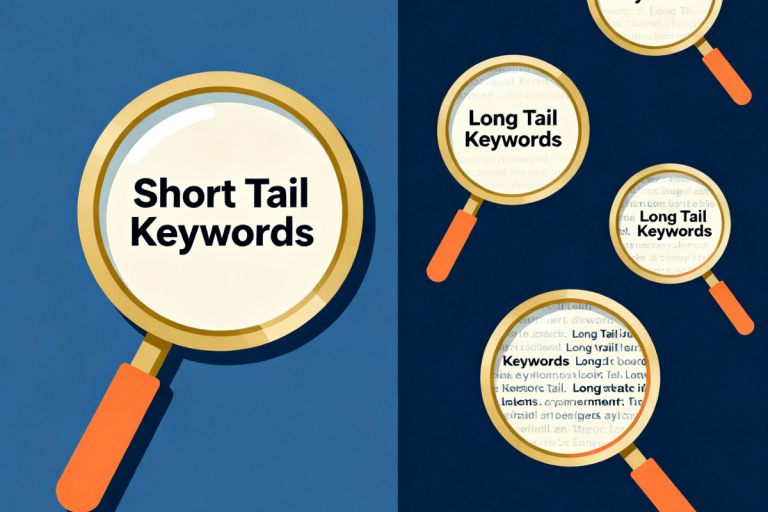
Use this prompt “Provide all the keyword variations, short-tail, long-tail, related terms, knowledge graph keywords for building semantic content.”

When you will use this prompt ChatGPT will provide you all variations of the keywords present in the group with a complete semantic keyword map. It will provide the terms related to them, their short-tail and long-tail variations, informational terms related to the base keyword group.
For a local therapy practice website, these terms will help you build the page with complete topical authority around the seed keyword, for example in our case anxiety therapy Austin, TX.
These variations help you capture different ways people might search for the same service. Different users phrase their searches differently, and covering multiple variations increases your chances of appearing in relevant search results.
ChatGPT will also suggest you where and how to use these terms.
Step 3: Generate related terms and queries
Now we have to expand our research one step further. In this step, we will be taking one sub-group from the keyword variations of the above generated keyword group and find more hyper-targeted terms for that sub-group.
In the next prompt, you have to take any sub-group from the provided keywords which is most suitable for the page and find more deep keywords for that sub-group.
You can use the same prompt that we used in the step 2 of keyword research with ChatGPT.
I used the Anxiety Condition and Symptom Variations sub-group to get more terms related to these conditions and symptoms.

When I did this ChatGPT generated such keywords which are generally related to symptoms and conditions and generally searched by users to find help online. If you closely monitor most of them will be long-tail phrases.
You can use the same process to find many other keyword variations for many seed and their related keywords group.
We did this so that we have a page with all detailed information about the therapy, its causes, and symptoms. This will help in building the topical authority of the page.
Step 4: Create keyword clusters and mapping
The 4th and final step in this keyword research process using ChatGPT is doing a keyword mapping of keywords and prepare keyword clusters.
As I already mentioned above that if you have noticed this that output provided by ChatGPT is already in keyword groups. It provided keywords in cluster form.
But to make it more understandable and easy, to properly study and analyze each keyword and prepare the structure of the pages and overall website, we need to provide one more and final prompt to ChatGPT to prepare the keyword clusters and do a keyword mapping for those clusters.
If you have not heard about the term keyword clustering, then, Keyword clustering is the process of grouping related keywords together so you can target them within a single, comprehensive page rather than creating separate pages for every slight variation. For example, “anxiety therapy,” “anxiety counseling,” and “anxiety treatment” would form one cluster that you’d target on your anxiety services page. This will help eliminating keyword cannibalization.
Keyword mapping is building the site architecture using these keywords. It involves selecting which keyword will be turned into a page/blog post, how internal linking will be done, which sub-group of terms will go with which page. Keyword mapping is very important before starting On-page SEO of counseling website.
In the next prompt, you can ask the ChatGPT to create keyword cluster around these keywords and create keyword mapping.
We will be using this prompt to give to ChatGPT “Organize all the keywords you provided in proper keyword clusters and after that prepare keyword map for those clusters”.

When I gave this prompt to ChatGPT, it provide me data in a very systematic and structured way.
It provided me 14 keyword clusters around these terms and mapped the entire clusters into 8 highly targeted pages with suggestion on which cluster terms will go with which page.
That’s really impressive. You get full keyword clusters with very detailed mapping structure.
Tips for getting better keyword research results from ChatGPT
Although, I have mentioned above the detailed steps on how to use ChatGPT to do keyword research for therapists website, but there are few important things that you should keep in mind while doing keyword research with ChatGPT. These are:
1 – Be specific with prompts
To maximize the effectiveness of your ChatGPT keyword research sessions, be as specific as possible in your prompts. Include your location, specialty, target demographic, and any unique aspects of your services.
2 – Follow-up questions
Ask follow-up questions to dig deeper into specific keyword areas. If ChatGPT suggests a keyword that looks promising, ask it to expand on that particular term with more variations and related concepts.
3 – Organize date
This is the most important point. Request that ChatGPT organize its responses in table format or bullet lists for easier reference and export. You can then copy these directly into a spreadsheet for further analysis with keyword tools.
4 – Validation of the data
Remember that ChatGPT’s suggestions are based on language patterns and semantic relationships, not actual search data. Always validate promising keywords with real keyword research tools before committing significant time and resources to targeting them.
Final thoughts
ChatGPT is a great tool to do supplementary keyword research for your therapist website. With ChatGPT you can do deep keyword research.
Although ChatGPT is not a traditional keyword research tool but still it is useful as a supplementary tool for finding additional keywords and local ideas when performing SEO for local private practice therapists. It can help you take your keyword research process to the next level.
With ChatGPT you can find highly-targeted terms within 30 mins of research by just giving right prompts.
One thing that makes ChatGPT helpful for therapists is its ability to cluster keywords and prepare a full mapping for the website. This makes it highly useful.
By using ChatGPT as a keyword research tool you make sure that no keyword is left for targeting and building the topical authority.